Mineral Moon
“The moon is a friend for the lonesome to talk to.” -Carl Sandburg
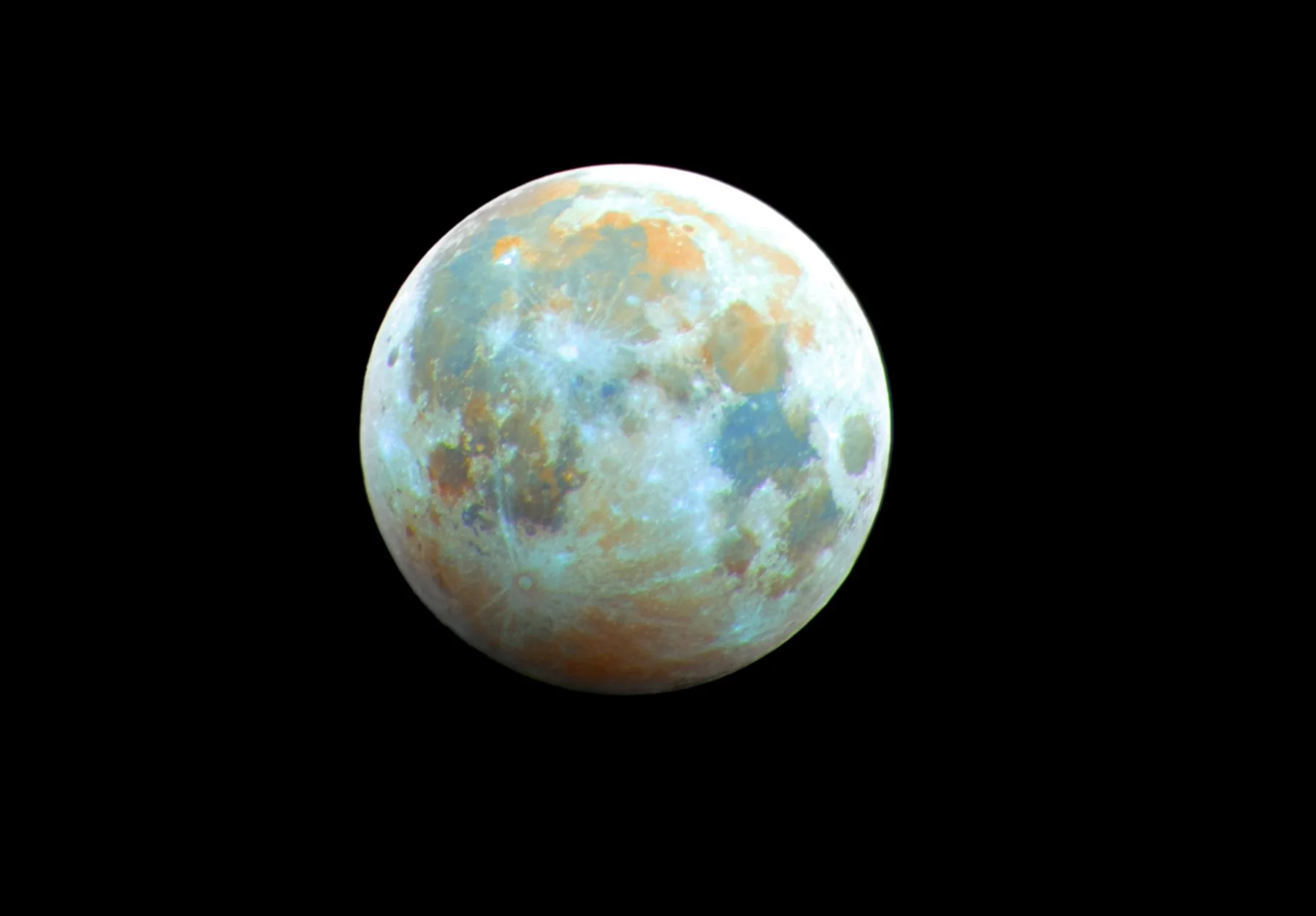
What is a Mineral Moon anyway?
A mineral moon photograph shows you the actual colors on the surface of the moon!
I didn’t learn about mineral moons until after I learned about Milky Way photography. As soon as I learned about this editing technique I have wanted to try it.
It took me several tries to get an outcome I was happy with, focus practice, stacking practice, and editing practice all played a part.
Art is practice after all.
If you want to geek out a little about Penumbral Eclipses and Mineral Moons, this part is for you!
This mineral moon is 40 images stacked. The natural colors captured by the camera are slowly enhanced to bring out the actual colors on the moon’s surface. For this Eclipse, 95% of the moon was under the Earth's Penumbral shadow. The darker shadow at the bottom is the Umbra coming closer, but it never covered the moon during this eclipse. The bright white at the top is the area not being eclipsed at all. This Penumbral Lunar Eclipse was on March 25, 2024. Just 1 week before the Total Solar Eclipse.
The colors show the Moon’s geological composition. It’s called a mineral moon because different minerals in the ground show different colors on the surface.
Blue/Violet tones show titanium-rich areas
Orange/Yellow tones show magnesium and iron-rich areas
Brown/Red/Pink tones show iron oxides
White/Light Gray tones show calcium-rich areas
A penumbral lunar eclipse
Happens when the Moon travels through the Earth’s outer shadow (the penumbra).
Only causes the moon to dim slightly (sometimes it’s not even obvious that an eclipse is even happening).
Every lunar eclipse begins and ends with the penumbral stage (where the moon begins to darken). Penumbral Eclipses just don’t leave this phase.
Mineral moon photos have special editing steps that are unlike most other astro photography I have done.
Step one- take many photos so you can stack them. (This step is pretty normal for astro)
Step two- slowly slowly increase the saturation. (Use different adjustment layers to get this work done). Don’t go too fast, or your colors will look more like coloring with crayon, not natural.
It is up to you how far you take the saturation in the end. This is all part of being an artist.
“But I see your true colors, shining through. I see your true colors, and that’s why I love you. So don’t be afraid to let them show. Your true colors are beautiful, like a rainbow.”
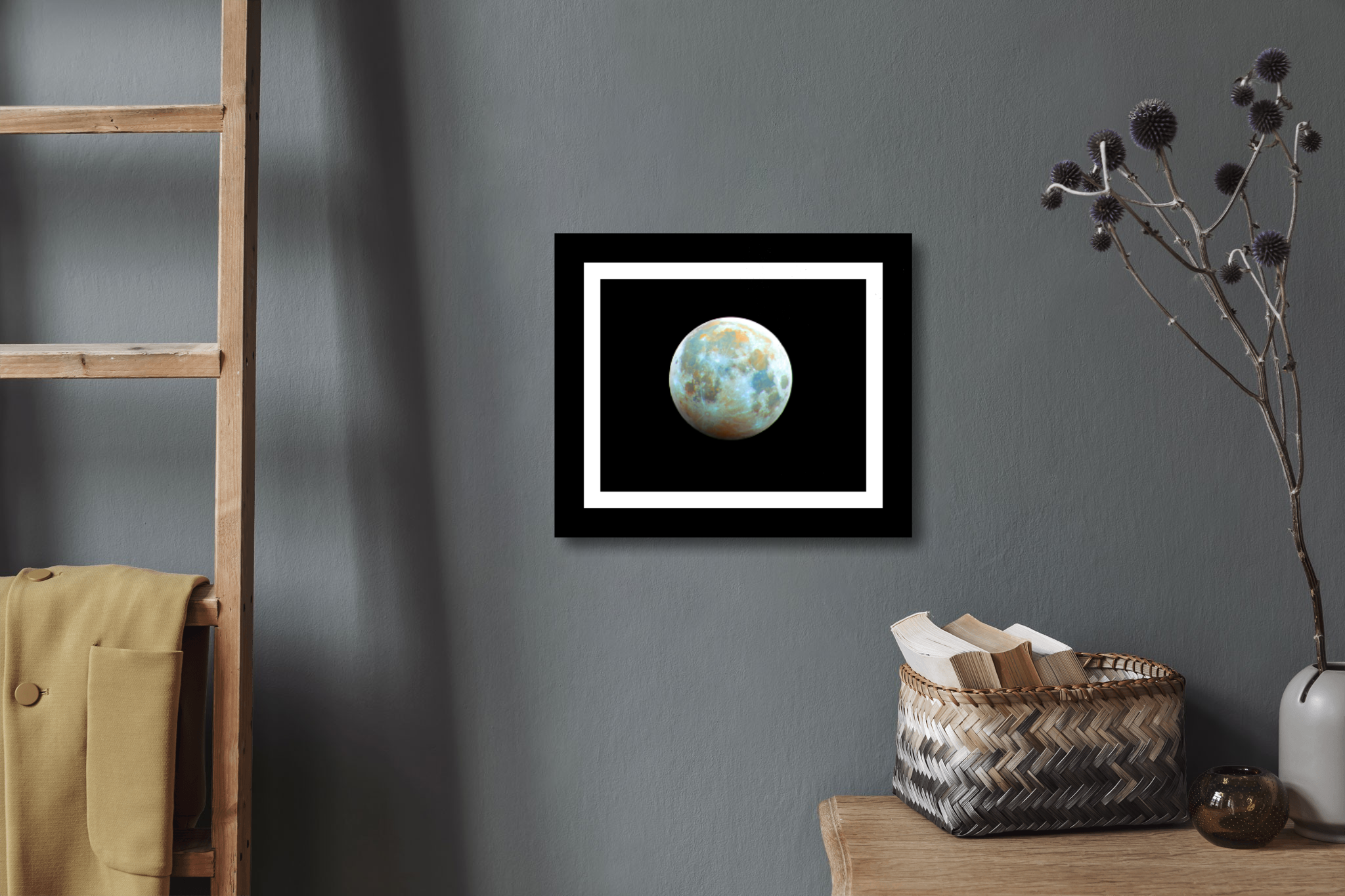
If you are interested in purchasing an art print from my portfolio please email me today at Cori@cojackphotography.com